Emergency carpet cleaning in Waddon what to know before booking
If you have a spill, flood, pet accident, or last-minute stain in the house, time suddenly matters. That is exactly why people search for emergency carpet cleaning in Waddon what to know before booking: you want the mess dealt with quickly, but you also do not want to book the wrong team or make the damage worse. Fair enough.
This guide walks you through the practical side of urgent carpet cleaning in plain English. You will learn what counts as an emergency, how the process usually works, what to check before you book, what can affect drying time and cost, and which mistakes to avoid when the pressure is on. If you only have a few minutes, the checklist near the end is the quickest place to start.
Table of Contents
- Why emergency carpet cleaning matters
- How emergency carpet cleaning works
- Key benefits and practical advantages
- Who this is for and when it makes sense
- Step-by-step guidance
- Expert tips for better results
- Common mistakes to avoid
- Tools, resources and recommendations
- Law, compliance, standards, and best practice
- Options, methods, or comparison table
- Case study or real-world example
- Practical checklist
- Conclusion
- Frequently asked questions
Why emergency carpet cleaning in Waddon what to know before booking matters
A carpet problem can go from annoying to expensive very quickly. A red wine spill at 7pm, muddy footprints after a rainy school run, a pet accident on a hallway runner, or a burst pipe near the living room all need different responses. The key thing is not just getting the carpet cleaned. It is getting the right type of cleaning at the right time.
In an emergency, people often focus on speed alone. That is understandable, but speed without the right method can lead to set stains, excess moisture, damaged fibres, or lingering smells. The carpet may look better for an hour and then, by morning, the patch is still there or worse, darker around the edges. That "halo" effect is a classic sign that the job needed a more careful approach.
Another reason it matters is that urgent jobs often involve more than the carpet itself. You may also be dealing with underlay moisture, odour, furniture movement, or a stain that has spread into nearby upholstery or rugs. A sensible booking should account for all of that, not just the visible mark. If you need related care for nearby soft furnishings, it can help to understand options like upholstery cleaning or rug cleaning if the spill has travelled.
Expert summary: In an urgent situation, the best outcome usually comes from fast assessment, the correct cleaning method, and clear expectations about drying, access, and stain risk. Quick is good. Careful is better.
For local households and businesses in Waddon, it also helps to book with a team that is transparent about what they can and cannot do on the day. A proper emergency service should not promise magic. It should promise a methodical response, honest guidance, and a realistic result.
How emergency carpet cleaning in Waddon what to know before booking works
Emergency carpet cleaning is usually a same-day or next-available visit designed to reduce damage, remove contamination, and restore the carpet as far as possible. The exact process depends on the issue, but most urgent jobs follow a similar pattern.
1. Initial assessment
Before any equipment comes out, the cleaner needs to know what happened. Was it water, tea, bleach, pet urine, cooking oil, paint, or something else? Different substances behave differently in fibres, and the wrong treatment can lock in the stain. If you can, describe the spill honestly and in detail. Even a rough update helps.
2. Choosing the method
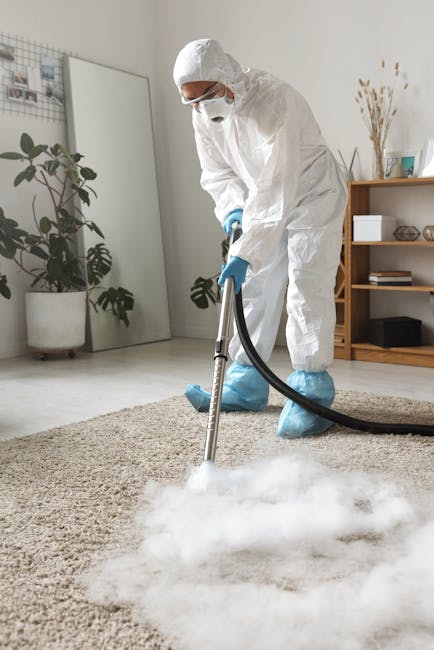
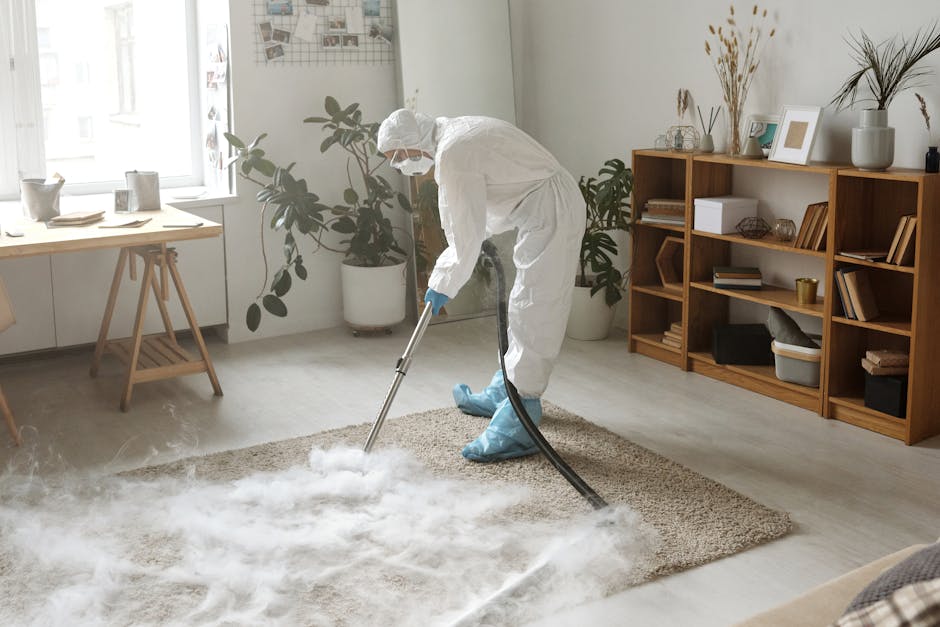
Some emergencies need targeted stain removal rather than a full deep clean. Others need hot water extraction, steam carpet cleaning, or a low-moisture approach. If the carpet has been soaked, the priority may be moisture removal rather than cosmetic cleaning alone. That is where experience matters a lot. A cleaner who understands stain chemistry and fibre types will make better choices than someone who just reaches for the nearest machine.
3. Pre-treatment
Most urgent jobs begin with a specialist pre-treatment. This breaks down the stain, loosens dirt, and helps the main cleaning stage work more effectively. For example, a coffee spill on wool behaves differently from a mud stain on synthetic carpet. The cleaner should adapt the product and dwell time rather than use a one-size-fits-all formula.
4. Cleaning and extraction
After pre-treatment, the carpet is cleaned using the selected method. If you are dealing with deep contamination, a service such as steam carpet cleaning may be appropriate, although that is not always the best answer for every fibre or stain. To be fair, not every emergency needs heavy equipment. Sometimes the better fix is the gentler one.
5. Drying advice and aftercare
Drying matters as much as cleaning. A damp carpet can smell musty, attract more dirt, or even develop mould if it is ignored. A trustworthy cleaner should tell you how long the area may take to dry, whether ventilation is needed, and what to avoid moving back too soon. That part can feel a bit mundane, but it is what saves you from repeat trouble.
If the problem is a recurring stain or a strong odour, the booking may also involve pet stain odour removal or broader stain removal rather than a standard surface refresh.
Key benefits and practical advantages
Emergency carpet cleaning is not just about making the room look decent again, though that is obviously a big part of it. The real value is preventing the mess from becoming permanent. When you act quickly, you usually improve the chance of lifting the stain, reducing odour, and protecting the carpet's pile and backing.
- Less permanent staining: Fresh spills are generally easier to remove than set-in marks.
- Better hygiene: This matters especially for pet accidents, food spills, and damp areas.
- Reduced odour: Fast treatment can stop smells from settling into the fibres.
- Lower risk of underlay damage: Water or liquid left too long can reach deeper layers.
- Quicker room recovery: Useful if you need to use the space soon, especially in shared homes or busy offices.
- Less stress: That sounds simple, but when the carpet is stained in the middle of a Monday morning, stress is part of the problem too.
There is also a practical advantage for landlords, tenants, and business owners: quick action helps document that you dealt with the issue responsibly. In a shared property or commercial setting, that can matter more than people realise at first glance.
Who this is for and when it makes sense
Emergency carpet cleaning makes sense whenever delay is likely to make the outcome worse. That sounds obvious, but it is worth spelling out because not every carpet problem needs the same urgency.
You are probably in the right category if you have:
- a fresh spill that is spreading
- a pet accident with strong odour
- flooding, plumbing overflow, or a soaked patch
- food or drink staining before an event or inspection
- mud tracked through hallways after wet weather
- a rental check-out deadline looming
- business premises that need to stay presentable for staff or customers
It also makes sense if the affected area is part of a larger soft furnishing problem. A sofa, curtain, or mattress may need attention too, especially when spills happen near seating areas or in bedrooms. In those cases, it is worth looking at services like sofa cleaning, curtain cleaning, or mattress cleaning so the whole space is dealt with properly.
One small but important point: if the carpet is still actively wet because of a leak, the first call may need to be about water control and drying, not just cosmetic cleaning. That distinction is easy to miss in the moment.
Step-by-step guidance
If you are booking urgent cleaning for the first time, here is the most sensible way to handle it.
- Identify the cause of the stain or damage. Water, food, urine, oil, ink, and bleach all require different responses.
- Blot, do not rub. Use a clean absorbent cloth or paper towel and work from the outside in.
- Avoid mixing random products. Two household cleaners together can make a problem worse. Also, carpets do not enjoy chemistry experiments.
- Check whether the carpet is wool, synthetic, or blended. This affects the cleaning method and drying profile.
- Take a quick photo. It helps you explain the issue clearly if you need advice or a quote.
- Tell the cleaner exactly what happened. The more precise the description, the better the response.
- Ask what method they expect to use. Not every job should be steam cleaned.
- Confirm timing and access. If there are parking restrictions, narrow stairways, or limited entry times in Waddon, mention it early.
- Prepare the room. Move small items, clear pathways, and keep children or pets away from the area.
- Follow drying instructions after the visit. Good aftercare is part of the job, not an optional extra.
That last step matters a lot. A carpet can look clean but still be carrying moisture deep down. A little patience here saves a lot of annoyance later.
Expert tips for better results
A few small decisions can make a big difference to the final result. These are the kind of details that often separate a decent emergency clean from a really good one.
Act quickly, but not recklessly
Speed matters, yes. But so does restraint. The instinct to scrub harder is strong, yet scrubbing usually pushes the stain deeper or roughs up the fibres. Gentle blotting is usually the safer move.
Know when a stain is likely to set
Some substances are notorious for leaving marks if left too long. Red wine, coffee, curry sauces, ink, and pet urine are common culprits. If you have one of those on the carpet, do not wait until tomorrow thinking it will somehow improve itself. It won't.
Think about air movement
Opening windows, switching on heating sensibly, or using fans can help drying. You do not need a dramatic wind tunnel in the lounge, just steady airflow. Small thing, big effect.
Protect the surrounding area
When one section of carpet is being treated, nearby furniture legs, skirting boards, and adjacent rugs should be protected where possible. This is especially useful in tight Waddon homes where rooms are compact and access is a bit fiddly.
Choose the right service, not just the fastest one
Emergency work sometimes overlaps with carpet cleaning, steam carpet cleaning, and targeted stain removal. A good cleaner should explain why they are choosing one route over another. If they cannot explain it clearly, that is a bit of a warning sign.
Common mistakes to avoid
Emergency situations make people rush, and that is normal. Still, a few repeat mistakes cause avoidable damage all the time.
- Rubbing the stain aggressively. This can spread colour and damage pile texture.
- Using too much water at home. Over-wetting can drive the stain deeper.
- Applying bleach or strong household chemicals. These can permanently discolour carpet fibres.
- Ignoring odour. A stain that smells strange often needs deeper treatment than the surface suggests.
- Moving furniture back too early. This can trap moisture and mark the carpet again.
- Booking without checking what is included. Some services cover the visible spot but not drying support, treatment of nearby areas, or odour work.
- Assuming all carpets can be cleaned the same way. Wool, synthetic, and blend fibres all behave differently.
One more mistake people make is waiting for a "better time." In emergency carpet cleaning, better time usually means more setting, more smell, and more expense. Not always, but often enough.
Tools, resources and recommendations
You do not need a van full of equipment to manage the first few minutes of a carpet emergency. A sensible home kit can help you stabilise the problem before the cleaner arrives.
- clean white cloths or paper towels
- a small bowl of plain water for gentle blotting when appropriate
- gloves for unpleasant spills
- an absorbent towel for larger wet patches
- a fan or good natural airflow for drying
- a notebook or phone note with the time of the spill and what caused it
If the issue is part of a larger job, a provider may also recommend related services such as commercial carpet cleaning for business premises or sofa cleaning if the stain reached seating nearby. For mixed soft-furnishing jobs, that joined-up approach is usually more efficient than treating each surface as a separate little crisis.
When booking, it also helps to have a few questions ready: What is your response time? What method would you use for this stain? How long will drying likely take? Are there any risks of colour loss? Simple questions, but they get to the point quickly.
Law, compliance, standards, and best practice
For most homeowners, the main concerns are practical rather than legal. Still, there are a few best-practice points worth keeping in mind, especially in rented homes, shared buildings, and workplaces.
First, if the incident involves water damage, there may be safety and insurance implications. It is sensible to notify the relevant person early if you are a tenant, landlord, facilities manager, or business owner. Do not wait until the carpet feels dry on the surface and assume the matter is closed. Hidden moisture is where problems linger.
Second, professional cleaners should work with appropriate care around electrical items, delicate surfaces, and access routes. Good practice includes clear communication before work starts, a cautious approach to chemical use, and reasonable steps to minimise disruption. That is especially relevant in apartment blocks and busy homes where people are coming and going.
Third, trustworthy providers should be upfront about terms, payment, and what happens if additional work is needed. If you want to read more about how a company handles those basics, it is worth checking pages such as terms and conditions, payment and security, and insurance and safety. They are not exciting reads, granted, but they do tell you a lot about how seriously a provider treats the job.
Finally, in the UK context, responsible waste handling and sensible product use are part of good practice too. If you are comparing providers, ask whether they take recycling and sustainability seriously in their operations. It is a small question, but a fair one. You can also review a provider's stated approach to recycling and sustainability if that matters to you.
Options, methods, or comparison table
Different carpet problems call for different approaches. Here is a simple comparison that can help you think clearly before booking.
| Method | Best for | Strengths | Watch-outs |
|---|---|---|---|
| Targeted stain treatment | Fresh marks, isolated spills, spot damage | Fast, efficient, often less invasive | May not suit very deep contamination or odours |
| Steam carpet cleaning | General deep cleaning, many everyday stains, refresh after heavy use | Strong cleaning power, useful for embedded dirt | Can mean longer drying if overused or if carpet is delicate |
| Low-moisture cleaning | Quick turnarounds, sensitive spaces, reduced drying time | Convenient, practical in busy homes or workplaces | Not always enough for major spills or severe odours |
| Specialist odour treatment | Pet accidents, smell in underlay or fibres | Addresses the source rather than masking it | May need more than one visit if damage is extensive |
If you are unsure which route to choose, ask the cleaner what they would use for your stain rather than asking for the most powerful method by default. Power is not the same as suitability. A tiny but important difference.
Case study or real-world example
Here is a realistic example from the kind of job many people in Waddon face. A family returns home on a wet evening and finds muddy water tracked across the hallway carpet after a leak near the front entrance. The first instinct is to scrub at the marks, but the mud is already starting to sink into the fibres.
Instead, they blot the wet patches, move the hall runner out of the way, and avoid using detergent straight away. They take a couple of quick photos, note where the water came from, and book an urgent visit. When the cleaner arrives, they assess the fibre type, treat the muddy sections with a targeted pre-spray, and use extraction carefully so the underlay does not stay damp.
The hallway is still slightly moist afterwards, which is normal, so the family keeps the area clear and lets air move through the space for the rest of the afternoon. By the next day, the carpet is clean, the smell is gone, and the damage has not spread. Not glamorous. Just good judgment at the right moment.
That kind of result is often less about dramatic equipment and more about timing, calm decisions, and choosing the right method. Truth be told, that is how most good emergency cleaning jobs are won.
Practical checklist
Use this quick checklist before you book.
- Identify the spill or damage as clearly as you can.
- Blot gently and avoid rubbing.
- Keep the area clear of pets, children, and furniture where possible.
- Take a photo of the stain or wet patch.
- Note whether the carpet is wool, synthetic, or unknown.
- Think about whether the issue is just the carpet or also nearby upholstery, rugs, or curtains.
- Ask what cleaning method is likely to be used.
- Ask how long drying may take.
- Check whether odour treatment is included if needed.
- Review the provider's terms, payment, and safety information.
- Prepare access details, parking notes, and any time restrictions.
- Keep the area ventilated after the clean.
Quick takeaway: If the stain is fresh, the carpet is still wet, or there is a smell developing, do not wait too long. The earlier you act, the better your chances of a clean finish without collateral damage.
Conclusion
Emergency carpet cleaning in Waddon is really about making smart decisions under pressure. The best booking is not always the fastest one on paper; it is the one that understands the stain, the fibre, the drying risk, and the real condition of the room. If you can explain the problem clearly, avoid common mistakes, and ask a few simple questions before confirming, you are already ahead of the game.
And if the situation feels a bit overwhelming, that is normal. A carpet spill can look worse at first glance than it actually is. With the right response, many urgent problems can be handled well and without drama. Not perfect, maybe. But properly dealt with.
Get a free quote today and see how much you can save.
Frequently Asked Questions
What counts as an emergency carpet cleaning job?
Anything where delay could make the damage worse counts as an emergency. Common examples include fresh spills, pet accidents, flooding, strong odours, and stains before an inspection or event.
Should I try to clean the carpet myself first?
Yes, but only gently. Blot the spill with a clean cloth and avoid scrubbing. If the stain is severe, oily, or causing odour, stop there and let a professional assess it.
Is steam cleaning always the best choice for urgent carpet problems?
No. Steam cleaning is useful in many cases, but some fibres and stains need a more targeted or lower-moisture method. The right approach depends on the carpet and the substance involved.
How long does emergency carpet cleaning usually take?
It depends on the size of the area, the type of stain, and whether drying support is needed. A small spot may be handled quickly, while soaked areas or odour issues take longer.
Will the stain definitely come out?
Not always. Fresh stains are more likely to lift than older set-in marks, but there is no honest cleaner who can promise a perfect result every time. Fibre type, stain type, and how long it has been there all matter.
Can emergency carpet cleaning remove pet odours?
Often, yes, especially if the issue is treated quickly. Pet urine can soak deeper than the surface, so odour treatment may be needed rather than a standard clean alone.
What should I ask before I book?
Ask what cleaning method they expect to use, how soon they can come, how long drying may take, and whether the quote includes stain treatment or odour work if needed.
Is it safe to move furniture back straight after cleaning?
Usually not. It is better to wait until the carpet is properly dry. Moving furniture back too early can leave marks, trap moisture, or transfer dirt back onto the cleaned area.
Do I need to mention the carpet material?
Yes, if you know it. Wool, synthetic, and blended carpets behave differently. If you are unsure, say that clearly. A good cleaner can still advise you.
What if the stain has spread to the sofa or rug too?
Tell the cleaner upfront. It may make sense to deal with the whole area together, using related services such as rug care or upholstery cleaning so the result looks consistent.
How do I know if the cleaner is trustworthy?
Look for clear answers, transparent pricing, sensible expectations, and basic safety and insurance information. A trustworthy provider should explain what they can do, what they cannot guarantee, and what you should do after the visit.
What is the biggest mistake people make in a carpet emergency?
Rubbing the stain hard or using random household chemicals. Both can make the problem worse. Calm, gentle action usually gives the cleaner the best chance of success.
Can emergency carpet cleaning help in rented properties?
Yes. Fast action can help reduce visible damage and show that you dealt with the issue responsibly. If the carpet is badly affected, keep notes and photos so you can explain what happened clearly.